
Leave A Message
If you are interested in our products and want to know more details,please leave a message here,we will reply you as soon as we can.

--
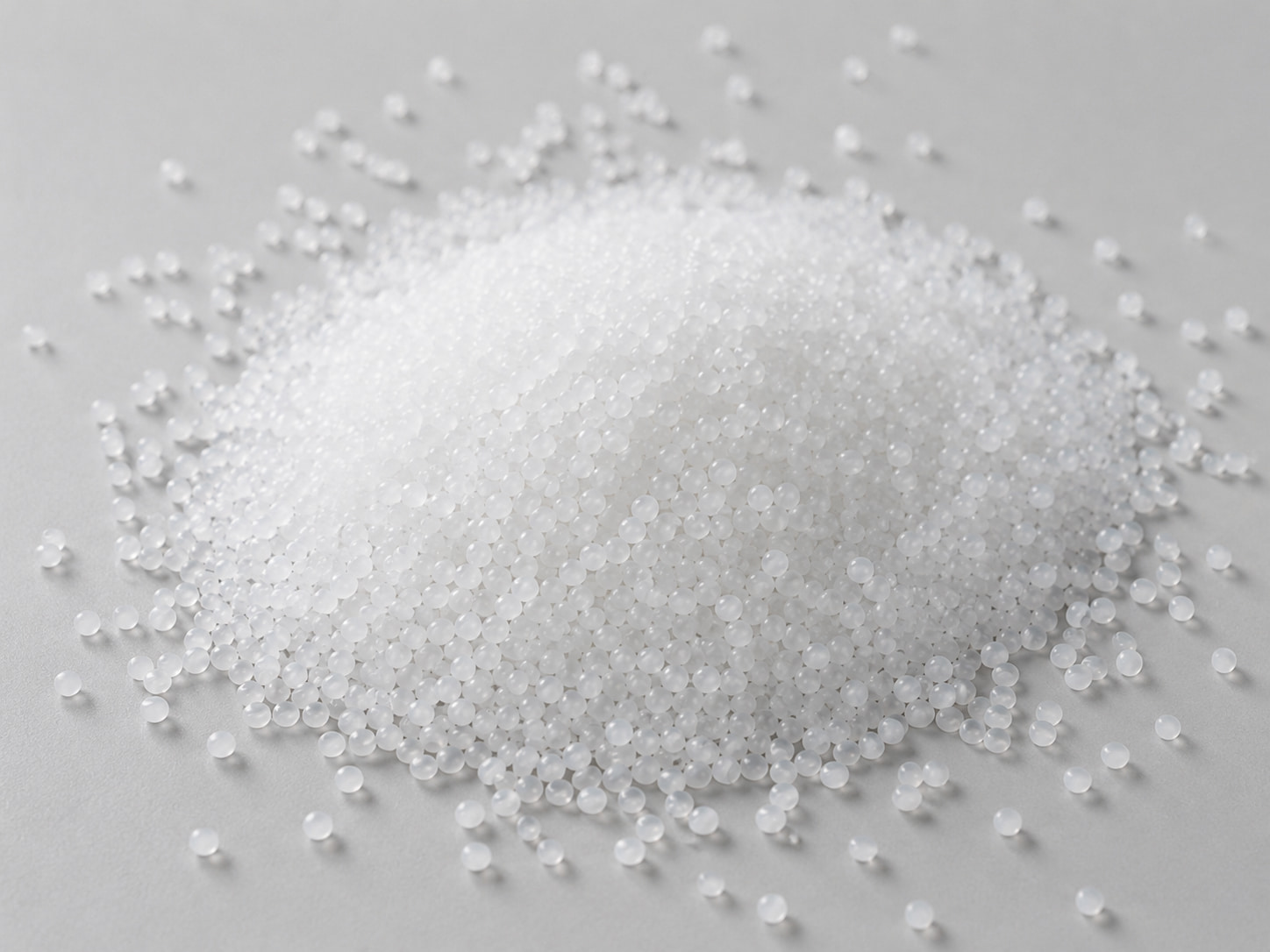
The History of Fluoropolymers
The development of fluoropolymers began in 1934, when German scientists F. Schloffer and O. Scherer first synthesized polychlorotrifluoroethylene (PCTFE). In 1938, Roy J. Plunkett discovered polytetrafluoroethylene (PTFE) while researching refrigerant gases, marking a major breakthrough in fluoropolymer science and industrial applications.
During his experiments with Freon refrigerants, Dr. Plunkett observed the formation of a white solid exhibiting exceptional chemical resistance and an extraordinarily wide operating temperature range. This material later became known worldwide as PTFE, often referred to as the “King of Plastics.” The successful commercialization of both PCTFE and PTFE established the foundation of the modern fluoropolymer industry and represented a significant milestone in the development of high-performance materials.
Fluoropolymers are produced through the homopolymerization or copolymerization of fluorinated monomers such as tetrafluoroethylene (TFE), hexafluoropropylene (HFP), chlorotrifluoroethylene (CTFE), vinylidene fluoride (VDF), and vinyl fluoride (VF).
These advanced materials are widely recognized for their outstanding chemical inertness, thermal stability, weather resistance, electrical insulation properties, flame resistance, low surface energy, and exceptionally low coefficients of friction. Their broad operating temperature range and high purity characteristics make them essential materials across semiconductor, chemical processing, pharmaceutical, analytical, and industrial applications.
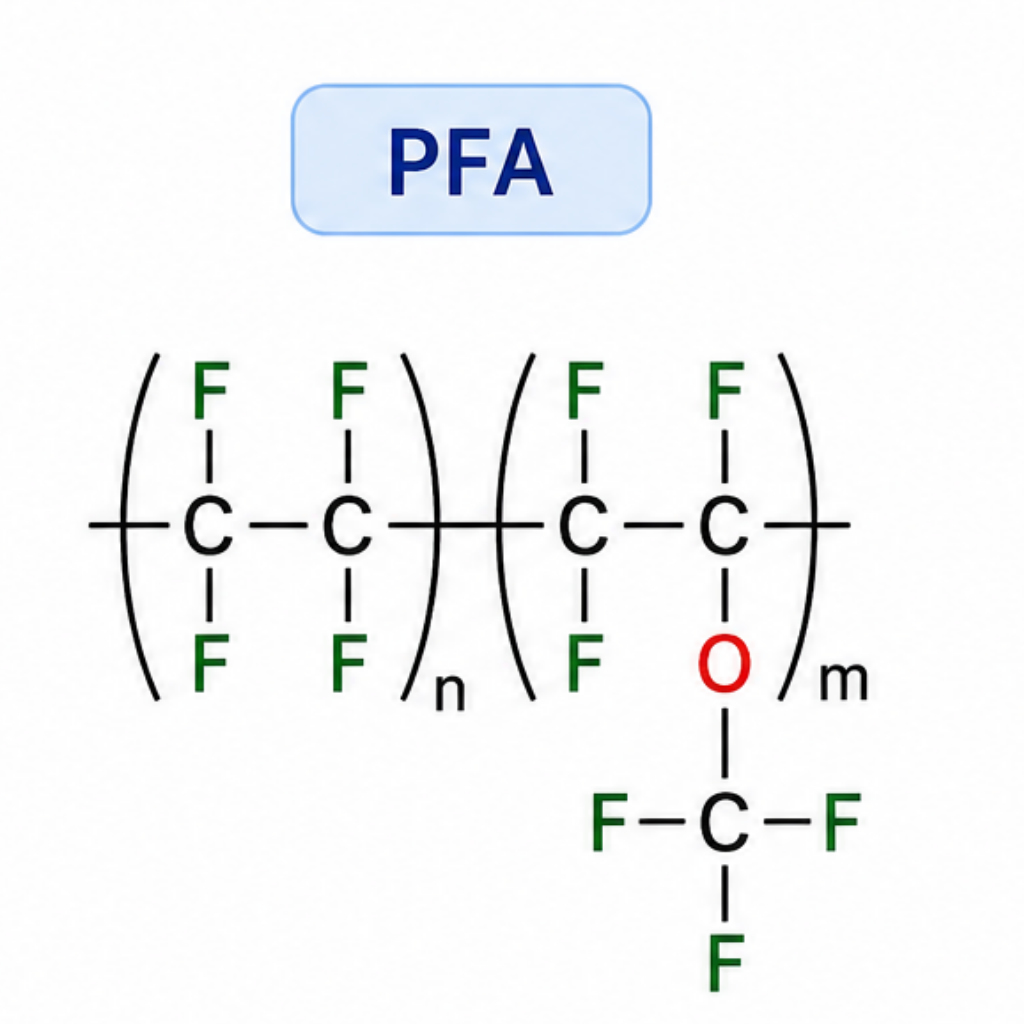
High-purity melt-processable fluoropolymer with exceptional chemical resistance, thermal stability, and ultra-low contamination characteristics. Widely used in semiconductor, analytical, and high-purity chemical applications.
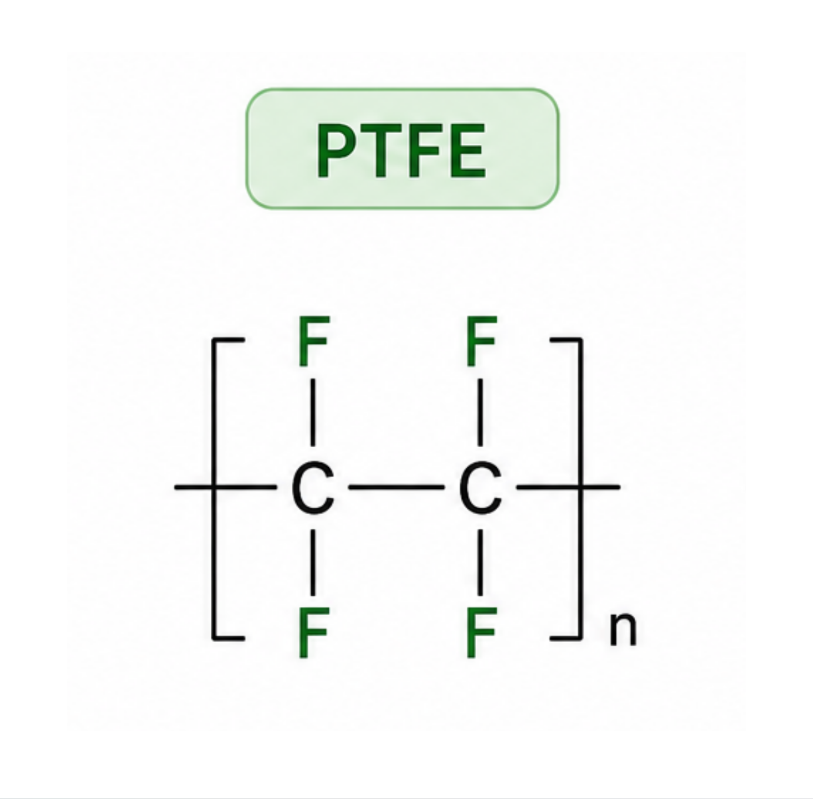
High-performance fluoropolymer known for its outstanding chemical inertness, wide operating temperature range, and extremely low coefficient of friction. Ideal for corrosion-resistant and non-stick applications.
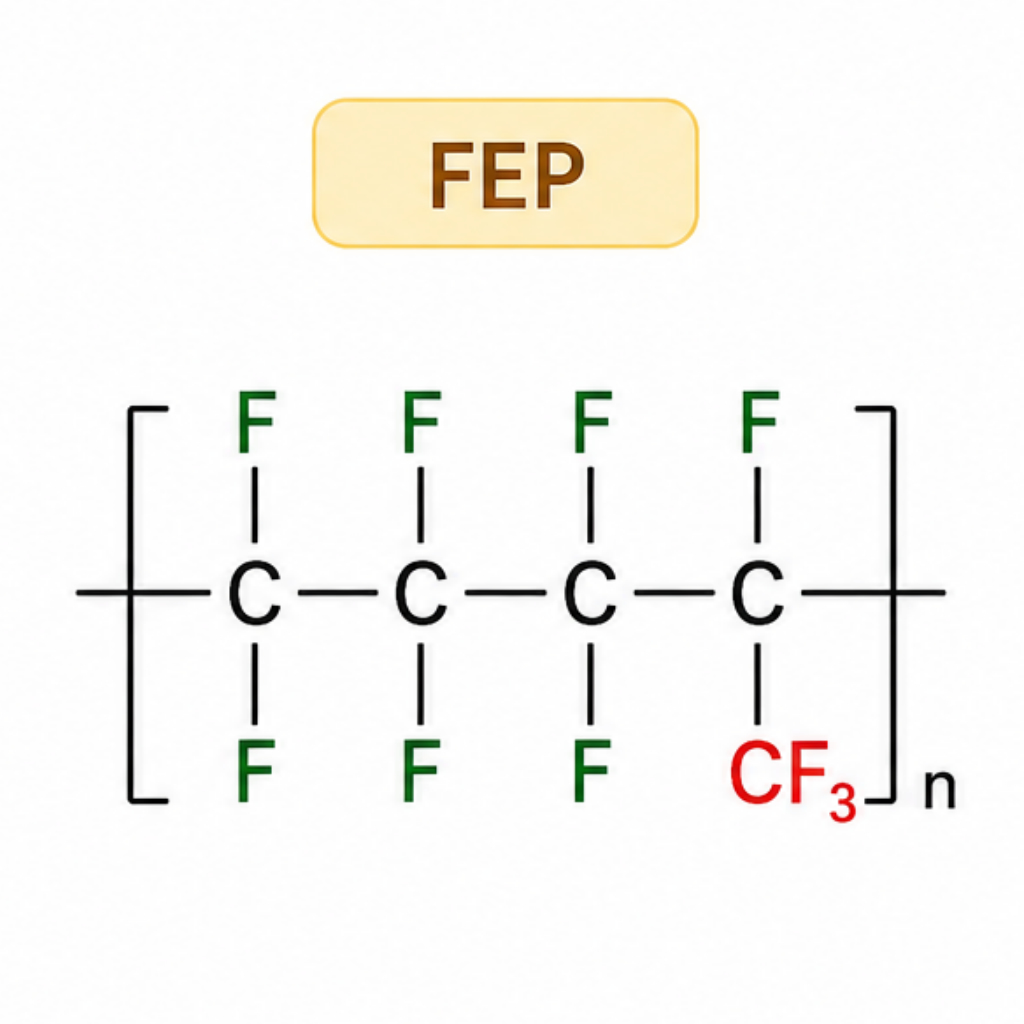
Translusent and melt-processable fluoropolymer combining excellent chemical resistance with enhanced fabrication flexibility. Commonly used in tubing, fluid handling, and electrical insulation applications.
Typical Property Data for Our PFA
| Property | ISO Method | ASTM Method | Unit | Typical Value |
|---|---|---|---|---|
| GENERAL | ||||
| Melt Flow Rate | ISO 12086 | ASTM D3307 | g/10 min | 5 |
| Melting Point | — | ASTM D4591 | °C (°F) | 305 (581) |
| Specific Gravity | — | ASTM D792 | — | 2.15 |
| Critical Shear Rate, 372 °C (702 °F) | — | — | 1/s | 21 |
| MECHANICAL | ||||
| Tensile Strength, 23 °C (73 °F) | ISO 12086 | ASTM D3307 | MPa (psi) | 27 (3,900) |
| Ultimate Elongation, 23 °C (73 °F) | ISO 12086 | ASTM D3307 | % | 300 |
| Flexural Modulus, 23 °C (73 °F) | ISO 178 | ASTM D790 | MPa (psi) | 551 (80,000) |
| MIT Folding Endurance (0.20 mm, 8 mil film) | — | ASTM D2176 | Cycles | 50,000* |
| Hardness Durometer | ISO 868 | ASTM D2240 | — | D55 |
| ELECTRICAL | ||||
| Dielectric Strength, Short Time, 0.25 mm (0.010 in) | IEC 243 | ASTM D149 | kV/mm (V/mil) | 80 (2,000) |
| Dielectric Constant, 1 MHz (10⁶ Hz) | IEC 250 | ASTM D150 | — | 2.03 |
| Dissipation Factor, 1 MHz (10⁶ Hz) | IEC 250 | ASTM D150 | — | <0.0002 |
| Volume Resistivity | ISO 1325 | ASTM D257 | ohm·cm | 10¹⁸ |
| OTHER | ||||
| Water Absorption, 24 hr | — | ASTM D570 | % | <0.03 |
| Weather and Chemical Resistance | — | — | — | Outstanding |
| Limiting Oxygen Index | ISO 4589 | ASTM D2863 | % | >95 |
| Continuous Service Temperature | — | — | °C (°F) | 260 (500) |
| Flammability Classification | — | UL 94 | — | V-0 |
Leave A Message