Leave A Message
If you are interested in our products and want to know more details,please leave a message here,we will reply you as soon as we can.

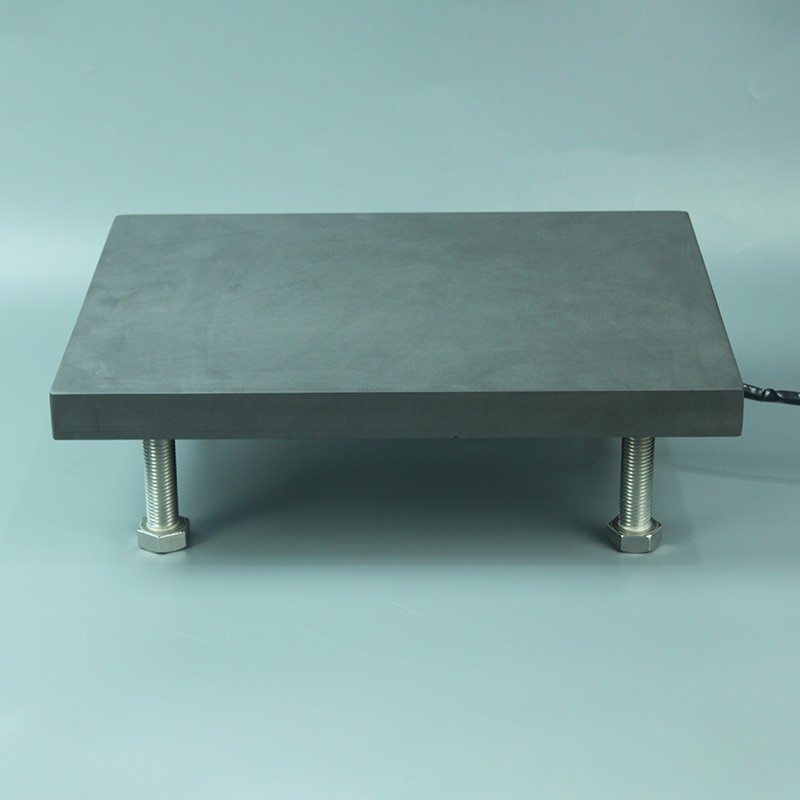
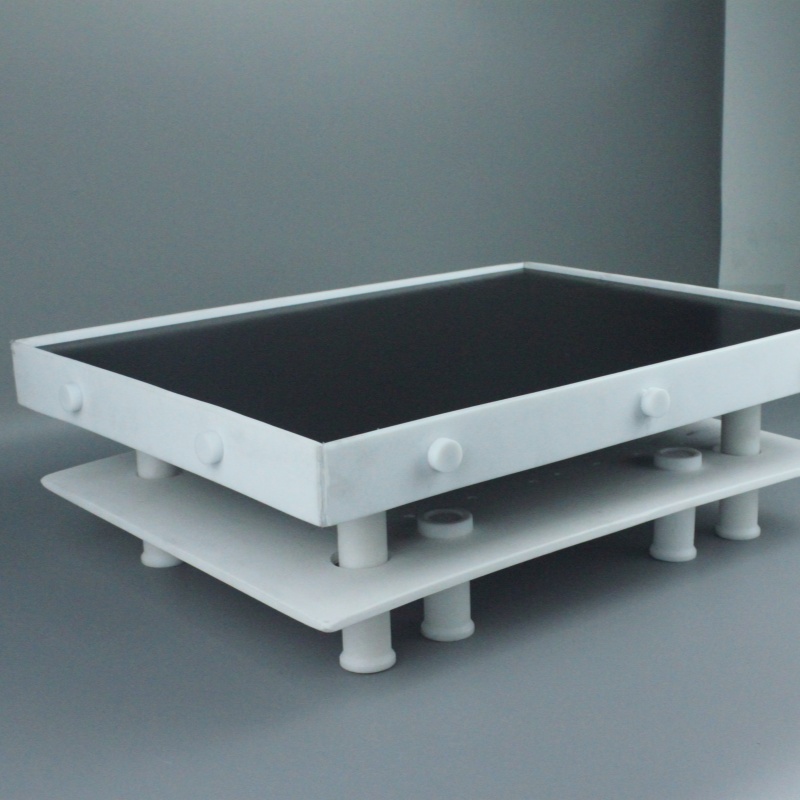
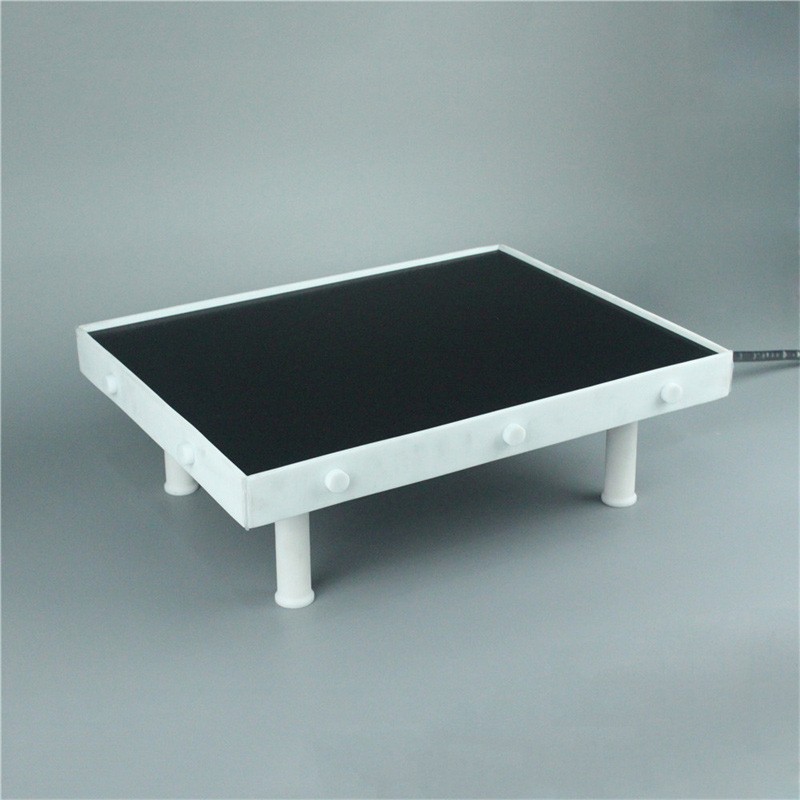
Extended Thermal Range: Engineered for high-temperature workflows with a maximum operating limit of 350°C.
Rapid Heat Transfer: High-purity isostatic graphite provides ultra-fast heating and cooling response times.
Superior Surface Flatness: Precision-machined face ensures maximum contact and heat conduction for all vessels.
Excellent Uniformity: Exceptional graphite conductivity eliminates thermal gradients across the entire heating area.
Heavy-Duty Durability: Robust, uncoated surface is resistant to thermal shock and mechanical wear in high-load environments.
Brand :
NJbinglabItem No :
GW-IImaterial :
GraphiteSpecification :
600*400mmThe High-Temperature Graphite Hot Plate (Uncoated) is designed for laboratories that require intense heating capabilities beyond the limits of standard PFA-coated or ceramic units. By utilizing an uncoated, high-purity graphite block, this plate can safely reach 350°C, making it ideal for the evaporation of high-boiling-point acids, specialized metallurgical treatments, and rapid sample dissolution. The natural properties of graphite ensure that the heat is distributed with extreme precision, providing the stability needed for sensitive analytical procedures without the risk of surface delamination at elevated temperatures.
Optimized for high-energy laboratory and industrial workflows:
PTFE & TFM Vessels: Perfectly suited for heating high-pressure digestion bombs or thick-walled PTFE jars that require higher thermal input.
Glassware & Quartzware: The uncoated surface provides a stable and flat platform for large-volume glass flasks or quartz crucibles used in ash testing.
PFA Trays & Racks: While PFA has a lower melting point, this plate can be used for controlled, low-temperature drying of PFA labware when precisely regulated.
Stainless Steel Containers: The rugged graphite surface can support heavy metal containers for bulk oil heating or industrial reagent preparation.
Metallurgical Analysis: High-temperature digestion of alloy samples and smelting-related research.
Petrochemical Testing: Evaporation of heavy oils and high-molecular-weight organic solvents.
Material Science: Sintering, annealing, and thermal testing of advanced ceramic and composite components.
Environmental Analysis: Accelerated acid evaporation for soil and sediment samples requiring high-temperature mineral acid treatment (H2SO4 or HClO4).
FAQ
Q: What's the lead time for orders?
A: Standard models ship in 7 working days; customized units require 15 working days or more(Depending on the level of complexity) after payment.
Q: Can I request a customized size?
A: Absolutely! We offer tailored attachments.
Q: How do you handle shipping and delivery?
A: We deliver goods efficiently via express services such as DHL, FedEx, and UPS, as well as various other methods including air and sea freight.
Q: How do I place an order?
A: Contact us via email or leaving a message for a quote, then confirm with a PO.
Leave A Message